





26 Mar Achilles Tendinitis: Everything You Need To Know
What is Achilles Tendinitis?
Achilles tendinitis, often called and spelled as Achilles tendonitis, is a condition that affects the Achilles tendon, which is the large tendon located in the back of the leg. The Achilles tendon connects the calf muscle to the heel bone. Achilles tendinitis is a condition that results from the overuse of the Achilles tendon. It is a common injury that can occur in people of all ages but is most common in middle-aged adults. Symptoms of Achilles tendinitis include pain and stiffness in the Achilles tendon, as well as pain in the calf or heel. Treatment for Achilles tendinitis usually includes a combination of rest, ice, and physical therapy. In severe cases, surgery may be necessary.

Symptoms of Achilles tendinitis
- Pain or stiffness in the Achilles tendon area, especially when running or walking.
- Swelling or tenderness in the back of the heel.
- Pain or discomfort when bending the foot upward, such as when climbing stairs or standing on tiptoe.
- A popping or snapping sound when the Achilles tendon is stretched or moved.
- Difficulty moving or flexing the foot or ankle.
- Thickening or enlargement of the tendon.
- A feeling of weakness or numbness in the leg or foot.
- Redness or warmth in the affected area.
- Tightness or stiffness in the calf muscles.
- Progressive degeneration of the tendon over time.
Causes of Achilles tendinitis
Some causes of Achilles tendinitis:
- Overuse: repetitive stress on the Achilles tendon can lead to micro-trauma and inflammation, causing tendinitis.
- Physical activity: sudden increase in activity, such as running or jumping, can put a strain on the Achilles tendon and lead to tendinitis.
- Age: as we age, our tendons become weaker and less flexible, making them more susceptible to injury.
- Improper footwear: wearing shoes that do not provide proper support and cushioning can cause undue stress on the Achilles tendon.
- Flat feet or high arches: both can increase the risk of developing Achilles tendinitis.
- Tight calf muscles: tightness in the calf muscles can put extra stress on the Achilles tendon.
- Medical conditions: certain medical conditions like arthritis, gout, and psoriasis can increase the risk of developing tendinitis.
Diagnosis of Achilles tendinitis
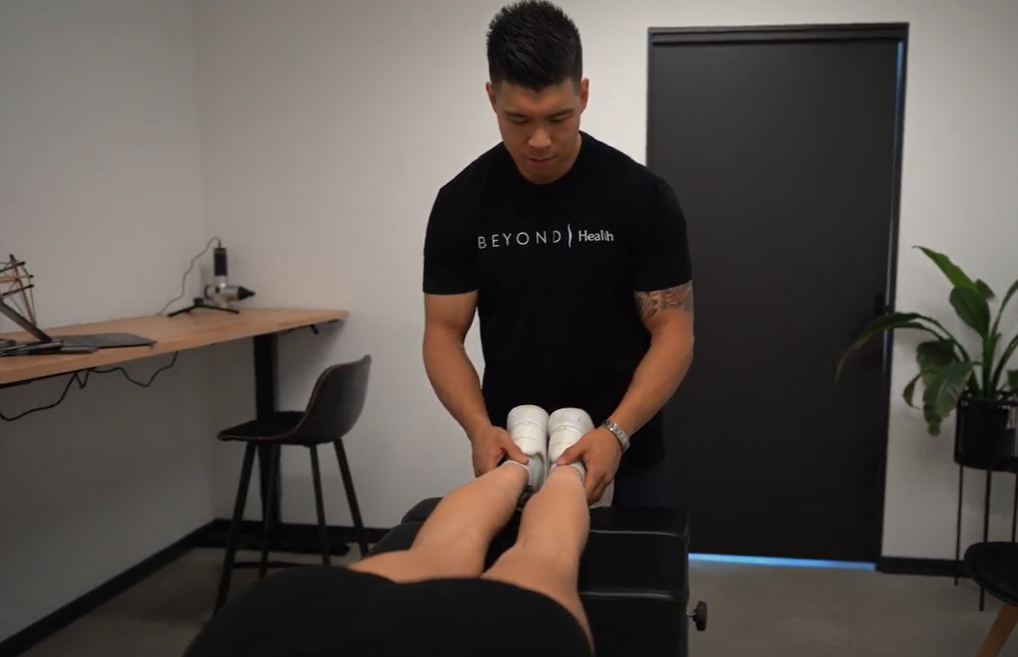
Achilles tendinitis can be diagnosed by a physical examination and a review of your patient history. We will look for signs of swelling or tenderness in the area of the Achilles tendon and may ask you to perform certain movements or stretches to assess the extent of the injury. Imaging tests, such as X-rays or MRI scans, may also be ordered to confirm the diagnosis and rule out other potential causes of pain or discomfort in the heel or ankle region.
Treatment options
- Rest and Ice: Resting the affected foot and applying ice packs can help to reduce inflammation and pain in the Achilles tendon.
- Physical Therapy: Physical therapy can help to strengthen the muscles around the tendon and improve flexibility and range of motion. Exercises, such as heel drops, calf raises, and stretches can be done under the guidance of a physical therapist.
- Medications: Over-the-counter pain relievers or nonsteroidal anti-inflammatory drugs (NSAIDs) can help with pain and inflammation. In some cases, injections with steroids can be considered.
- Supportive Shoes: Wear shoes with good support to help reduce the stress on the Achilles tendon.
- Orthotics: Custom orthotics, such as heel lifts, can be used to reduce strain on the Achilles tendon while walking and performing daily activities.
- Surgery: Surgery might be needed for severe cases of Achilles tendinitis. It is usually recommended for people who have chronic pain or have not responded to other treatments.
Consult your doctor to discuss the most appropriate option for your condition.

Prevention of Achilles tendinitis
- Gradual increase in the intensity of exercise: Increase the intensity of exercises gradually and avoid sudden increases in frequency, duration or intensity of exercise.
- Proper Stretching: Perform stretching exercises before and after exercising to reduce the risk of Achilles tendinitis.
- Use proper shoes: Use proper shoes that provide good support to your feet while walking or running, also make sure your shoes are cushioned, comfortable, and fit properly.
- Strengthening exercises: Regularly performing strengthening exercises for the calf muscles will help to reduce the risk of Achilles tendinitis.
- Cross-training: Alternate high-impact activities with low-impact activities or engage in activities such as cycling, swimming or pilates to reduce the risk of developing Achilles tendinitis.
- Rest and Recovery: Give rest to the affected area, ice it, wrap it or elevate it. Give time to your body to recover before getting back to your exercise routine.
- Weight management: Reducing extra kilos can help reduce stress on your Achilles tendon.
To wrap things up
As covered, Achilles tendinitis is a common injury that can affect athletes and everyday individuals. Achilles tendinitis pain can be described as sharp discomfort in the back of the lower leg, typically along the Achilles tendon.
As physically active people ourselves, we know how frustrating this condition can be! That’s why we recommend trying some of the tips outlined to help take control of the issue and get back on track (and on the track). At Beyond Health Chiropractic, we specialise in sports chiropractic care and treat runners and everyday people every week who are plagued with Achilles tendinitis.
Chiropractic care for Achilles tendinitis
Our Beyond Health Chiropractic care can be helpful for individuals suffering from Achilles tendinitis. Some of our treatment options may include:
- Spinal adjustment: Our chiropractors may perform spinal adjustments to reduce pain and inflammation throughout the body, including the Achilles tendon.
- Soft tissue therapy: Such as massage or trigger point therapy, to release tension in the affected area.
- Exercise therapy: We may provide exercises to strengthen the muscles surrounding the Achilles tendon and improve flexibility.
- Dry Needling: Dry needling can be an effective way to treat Achilles tendinitis, reduce pain and promote healing.
It is important to note that chiropractic care should be used in conjunction with other treatments recommended by a medical professional. Book a session with us today and let us help you make your lower legs the strong foundation of your body, instead of a weak point that is impacting the quality of your runs, workouts and life.
No Comments