





26 Mar Battling Bursitis
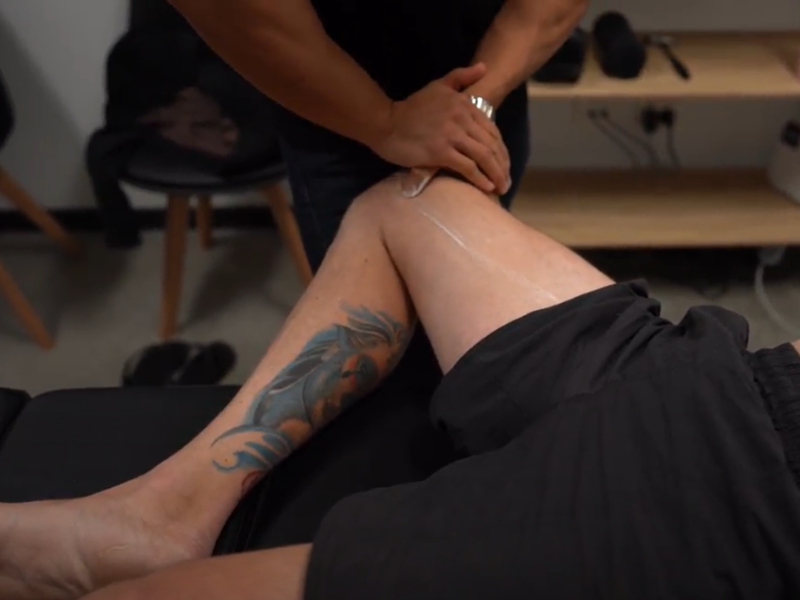
Bursitis is a condition that affects the small, fluid-filled sacs (bursae) that act as cushions between the bones, muscles, and tendons in your joints. Bursitis occurs when these sacs become inflamed. The most common symptom of bursitis is a distinct pain in the affected area.
Bursitis can occur in any joint in your body, but it is most common in the shoulder, elbow, hip, and knee. The condition can be acute (short-term) or chronic (long-term).
Acute bursitis usually develops over a few days or weeks. It is often the result of overuse or injury. Chronic bursitis, on the other hand, can last for months or years. It is often the result of repetitive motion or an underlying medical condition.
No matter what type of bursitis you have, some treatments can help relieve your pain and improve your range of motion. Keep reading to learn more about the top tips for a speedy recovery from bursitis!

What is Bursitis?
Mayo Clinic describes Bursitis as a painful condition caused by inflammation of the bursae, small, fluid-filled sacs that act as cushions between the bones, muscles, and tendons in your joints. Bursitis typically occurs when the bursae become inflamed due to an injury or repetitive motion.
Bursitis symptoms may include swelling, redness, and tenderness. Bursitis can occur in any joint in your body and is common for occupations that involve repetitive motion or prolonged pressure on the joints:
- Athletes
- Construction workers
- Gardeners
- Carpet layers
- Painters
- Janitors
- Plumbers
- Cooks or chefs
- Drivers
- Office workers (especially those who spend long hours typing or using a mouse)
- Nurses and healthcare professionals
- Mechanics
- Teachers.
As you can see from the above, most everyday people can be at risk of bursitis, making it important to be aware of the causes, symptoms and treatments to get back to your chirpy self again!

What Is The Most Common Type Of Bursitis?
The most common type of bursitis is subacromial bursitis, which affects the shoulder joint. Subacromial bursitis is an inflammation of the subacromial bursa, a small sac of fluid located beneath the acromion process of the shoulder blade.
This condition can develop from overuse or repetitive movements of the arm or shoulder, trauma, or degenerative changes in the joint. Symptoms include pain and tenderness in the shoulder, difficulty lifting the arm, and swelling. Treatment options include rest, ice, medications, physical therapy, and in some cases, surgery.
Bursitis Symptoms
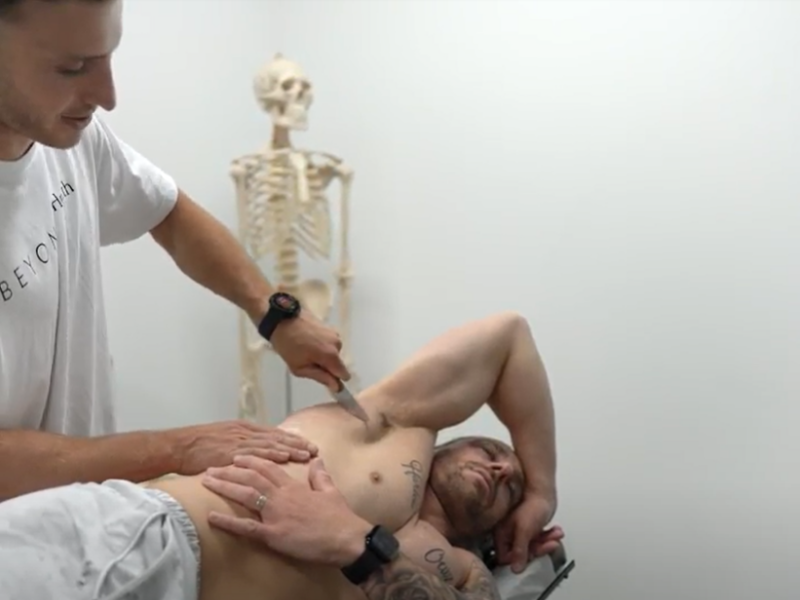
Bursitis symptoms include:
- Pain – Pain is the most common symptom of bursitis. The affected area may be tender to the touch and the pain may increase when pressure is applied.
- Swelling – The affected area may be swollen or inflamed, which can make it difficult to move the joint.
- Stiffness – Bursitis can cause stiffness in the affected joint, making it difficult to move or use the joint.
- Redness – The skin over the affected area may appear red or pink.
- Warmth – The affected area may feel warm to the touch.
- Limited range of motion – Bursitis can limit the range of motion in the affected joint, making it difficult to perform certain activities.
- Clicking or popping – Bursitis can cause clicking or popping sounds when the affected joint is moved.
- Weakness – Bursitis can cause weakness in the affected area, making it difficult to perform certain tasks.
How To Treat Bursitis
The type of treatment that works best for you will depend on the severity of your bursitis and the underlying cause. Activities such as running, playing sports, performing certain tasks at work or your lifestyle could result in different methods of treatment.
Other factors that can increase your risk of bursitis can include medical conditions, such as rheumatoid arthritis, having a weakened immune system, and having an injury, such as a muscle strain. Bursitis can also be caused by infections or diseases that affect the immune system, such as HIV or diabetes.
The goal of treating bursitis is to reduce pain and inflammation in the affected area, restore mobility and identify the core trigger of what caused the pain in the first place.
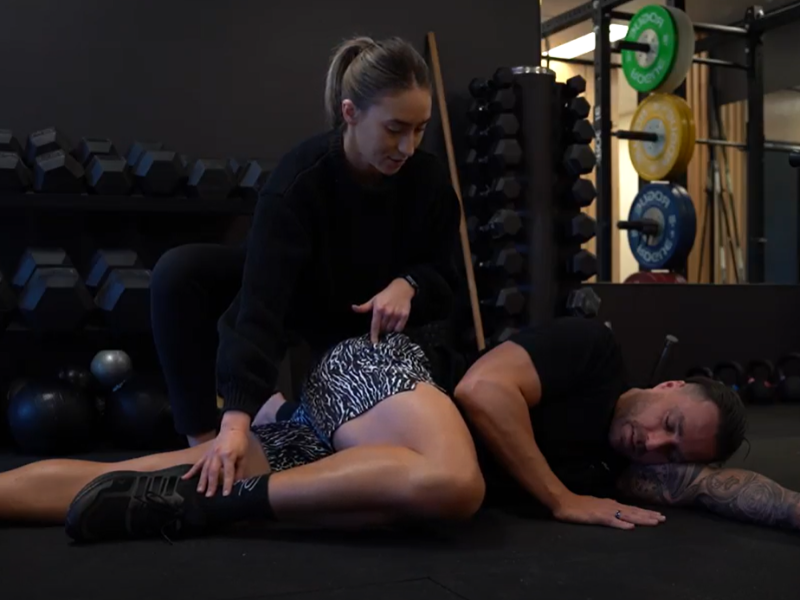
One of the most popular options to treat bursitis and increase the chances of a speedy recovery is physical therapy/chiropractic care. Our qualified therapists may recommend specific exercises suited to your body and lifestyle to help improve your range of motion, strengthen the muscles around the joint, and help relieve pain.
To complement the physical therapy, your bursitis treatment and recovery may include:
- Rest: Taking adequate rest is the first and foremost important step to treat bursitis as it helps to reduce inflammation and pain.
- Ice or heat compresses: Applying an ice or heat compress to the affected area can help to reduce pain and inflammation. Apply the compress for 20 minutes multiple times daily.
- Pain medication: Over-the-counter pain medication such as Ibuprofen or Paracetamol may be prescribed to reduce inflammation and pain.
- Corticosteroid Injection: Your doctor may decide to inject a corticosteroid into the affected area to help reduce inflammation and pain.
- Surgery: In severe cases, surgery may be required.
Overall, the recovery time depends on the severity of your condition and how you follow your healthcare professional’s instructions. With proper rest, medication, and therapy, it is common for people to recover completely within a few weeks.
Tips for a Speedy Recovery
The best way to reduce pain and inflammation and speed up your recovery time is to take a proactive approach to your treatment. Here are some tips to help you on your way:
- Give your body the time it needs to heal. Avoid activities or tasks that cause pain.
- Be proactive in reducing swelling. Have cold compresses and heat pads/cream on hand to treat the affected area a few times a day. Reducing the swelling can lead to less inflammation, less pain and lead to a speedier recovery from bursitis.
- Wrapping the affected area can help reduce inflammation. We can recommend which type of wrap to use for your condition.
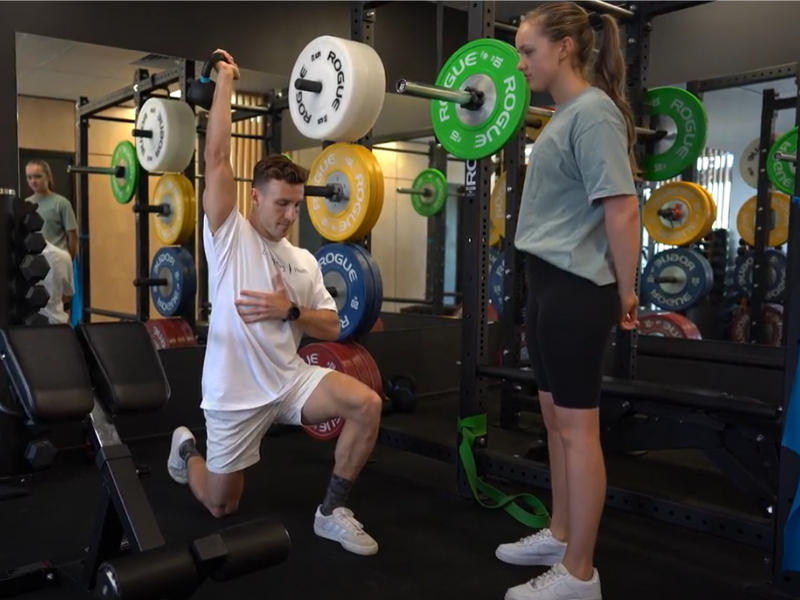
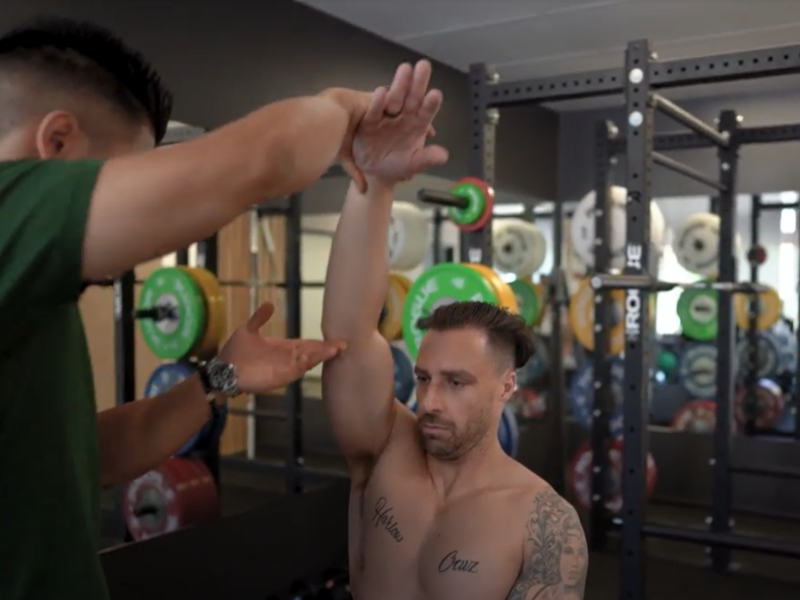
- Gentle stretching and exercise can help improve your range of motion and reduce pain. As part of your treatment plan with us, we will recommend, demonstrate and take you through exercises that are appropriate for you.
- Taking over-the-counter pain medications for the short term, such as ibuprofen or paracetamol, can help reduce pain and inflammation.
- Drop the ego by asking for help! The last thing you want to do is try to push through the pain and end up in a situation where you may need surgery. Trust us, the pain, the time and the recovery requirements from the surgery will be a lot more than being proactive and addressing the issue upfront.
Conclusion
Bursitis is a very common condition that is treatable with simple, easy measures. Yes, you will almost always experience pain in the affected area, so you’ll want to follow the steps listed for a speedy recovery!
If your symptoms don’t improve after a few days of self-care, be sure to seek out medical attention as soon as possible – it’s important to receive a proper diagnosis and treatment before it is too late! At Beyond Health Chiropractic, our expert team can provide you with the support, treatment and know-how to minimise the impact that bursitis can have on your life. No matter how acute or chronic your bursitis condition may be, our range of Beyond Health Chiro Services will support your speedy recovery.
Contact us today to start taking the first (pain-free) step toward a healthier and happier you!
No Comments