




11 Nov Lower Back Pain Flare-Up? What to Do in the First 48 Hours
You bent down to grab your kid’s school bag off the car floor, or lifted the washing basket, and felt your lower back go. Now it’s stiff, it catches when you move, and getting out of a chair has become a whole project. Part of you wants to lie flat until it passes. Part of you is worried you’ve done something serious.
Here’s the honest answer first: most sudden lower back pain isn’t caused by serious damage, and most flare-ups settle a lot within days to a few weeks. It can be really painful without being harmful. What you do in the first 48 hours can make a real difference to how you feel, and resting flat on the couch usually isn’t it.
Below is what tends to help, what to avoid, the rare signs that mean you need urgent care, and when it’s worth getting checked.
Why does lower back pain flare up?
Most acute lower back pain is what clinicians call “non-specific”. That means there’s no single structure to blame, and scans often don’t change the plan. Muscles, joints, discs and the nervous system all play a part, and a flare-up is often the end of a build-up rather than one bad movement. Common contributors include:
- Long stretches of sitting at a desk or in the car without breaks
- A sudden jump in load, like a big weekend in the garden, moving house or a new gym program
- Poor sleep, high stress and fatigue, which can make the nervous system more sensitive to pain
- Previous episodes of back pain, especially if you never rebuilt strength afterwards
If you’d like more background, our article on 7 lower back pain facts that might surprise you explains why pain doesn’t always equal damage.
What to do in the first 48 hours
1. Keep moving gently
Bed rest used to be the standard advice. Current guidelines suggest staying as active as you comfortably can is usually more helpful. Short, frequent walks around the house or down the street are a good start. Aim for “a bit uncomfortable but manageable”, not “gritting my teeth”.
2. Change position often
No single posture is perfect. The best posture is the next one. If sitting hurts, stand for a few minutes. If standing hurts, lie on your back with your knees bent or on your side with a pillow between your knees. Swap every 20–30 minutes.
3. Use heat or ice for comfort
Many people find a heat pack eases muscle guarding, and some prefer ice in the first day or two. Both can make it easier to move. Use whichever feels better, for 15–20 minutes at a time, with a cloth between the pack and your skin.
4. Try gentle, comfortable movement
Knee rocks (lying on your back and gently rolling your knees side to side), pelvic tilts and slow walking are usually well tolerated. Stop anything that sharply increases pain or sends pain down the leg. Once the worst has settled, our guide to 5 safe lower back stretches is a good next step.
5. Be smart with medication
Over-the-counter pain relief may help some people stay active, but check with your GP or pharmacist first, particularly if you have other health conditions or take other medicines.
6. Sleep and stress matter
Pain and poor sleep feed each other. Prioritise rest, keep your routine as normal as you can and try not to catastrophise. Most acute episodes improve significantly within a few weeks.
Worried it’s something more?
If you’d like someone to check it over and tell you whether it’s safe to keep moving, book a free screening assessment. It’s a short chat and a few simple movement checks so we can tell you whether chiro or physio may suit you. It doesn’t include treatment, and there’s no obligation.
Book online or call Applecross (08) 6311 7646 · Osborne Park 0435 668 595
What to avoid
- Total rest for days. Long periods lying down tend to make you stiffer and more sensitive.
- Testing it with heavy lifting. Wait until you’ve been assessed or the pain has clearly settled before going back to heavy deadlifts, squats or manual work.
- Aggressive self-massage or cracking. Prodding hard at sore spots usually just irritates them.
Warning signs: when to seek urgent medical care
Call 000 or go to an emergency department if back pain comes with any of the following:
- Numbness in the groin, genitals or inner thighs (“saddle” area)
- New difficulty passing urine, loss of bladder or bowel control
- Rapidly worsening weakness in one or both legs
- Back pain after a significant fall or accident
- Fever, unexplained weight loss or a history of cancer alongside new back pain
When to book an assessment
It’s worth getting your back checked by a registered chiropractor or physiotherapist if:
- Pain isn’t easing after a few days, or keeps coming back
- Pain is travelling into your buttock or leg (see our sciatica guide)
- You can’t work, sleep or train the way you need to
- You want a clear plan to get back to the gym, sport or work safely
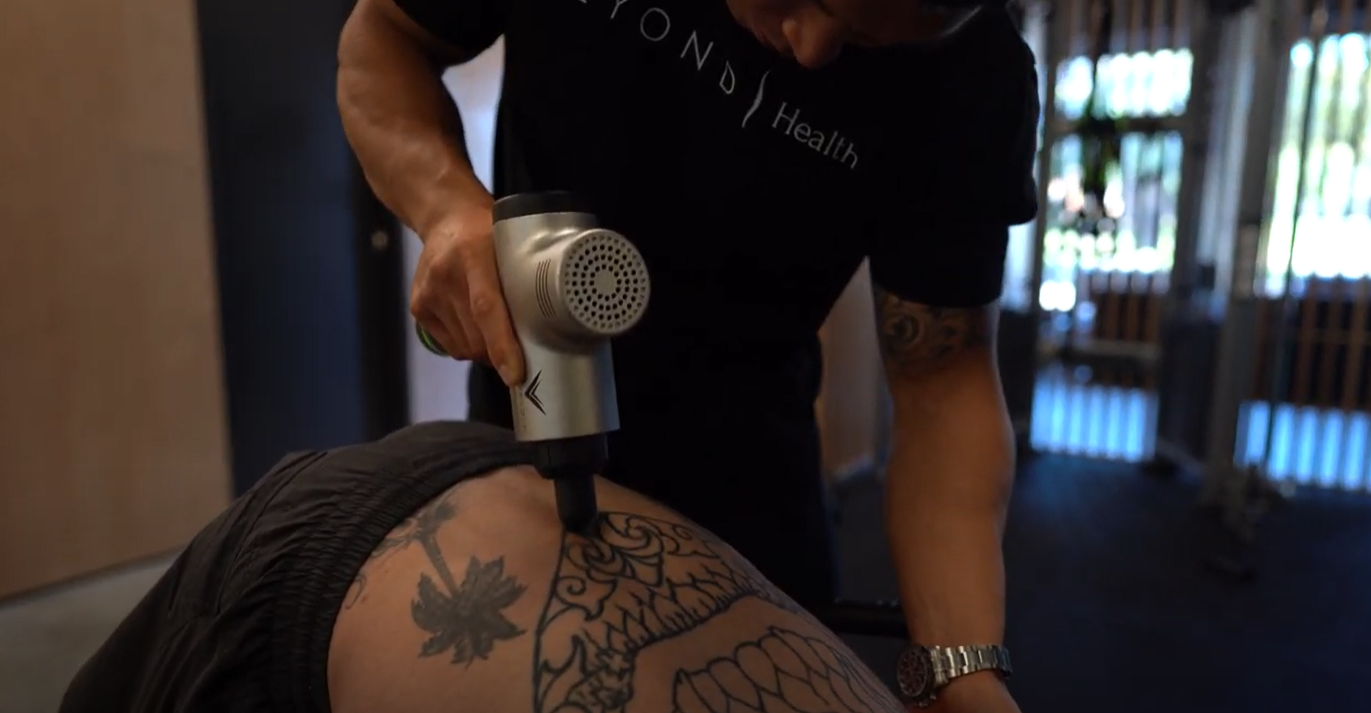
At Beyond Health, an initial consultation includes a thorough history, a physical assessment with movement, orthopaedic and neurological tests, and an explanation of what we found. Depending on what we find, care may include hands-on treatment such as soft tissue work, joint mobilisation or adjustments, dry needling, and a graded exercise program you can follow at home or in the gym. If anything in your assessment suggests you need imaging or a GP review, we’ll tell you and refer you on.
If your back pain has hung around for months and doesn’t follow a clear pattern, our physiotherapy team in Osborne Park also offers Cognitive Functional Therapy, an approach developed at Curtin University in Perth for persistent pain.
Back pain help in Applecross and Osborne Park
Our Applecross chiropractic clinic is at 757 Canning Highway, an easy trip from Mount Pleasant, Ardross, Attadale and Bicton. Our Osborne Park clinic is at 454 Scarborough Beach Road inside Fitness Cartel, close to Innaloo, Glendalough, Tuart Hill and Stirling, with chiropractors and physiotherapists under one roof. You can see all our locations on the contact page.
Lower back pain FAQs
Should I rest or keep moving with lower back pain?
For most acute lower back pain, staying gently active is recommended over bed rest. Short walks and frequent position changes are a good place to start, while avoiding heavy lifting until the pain settles.
Is heat or ice better for a back spasm?
Both can ease discomfort. Many people prefer heat for muscle tightness, and some prefer ice in the first day or two. Use whichever helps you move more comfortably, for 15–20 minutes at a time.
How long does a lower back pain flare-up last?
Many acute episodes improve significantly within a few days to a few weeks, but everyone is different. If pain isn’t settling, is getting worse or keeps returning, book an assessment with a registered health professional.
Do I need an X-ray or MRI for back pain?
Most people with lower back pain don’t need imaging straight away. Your practitioner will recommend it, or refer you to your GP, if your history or examination suggests it’s needed.
Should I see a chiropractor or a physio for back pain?
Both chiropractors and physiotherapists assess and manage lower back pain. Our services page explains how we work, or you can book a free screening assessment and we’ll help you decide.
Still sore after a few days? Come and talk to us
If your back isn’t settling, or you just want to know it’s safe to get moving again, come in for a free screening assessment and we’ll tell you straight. It’s a short chat and a few simple movement checks so we can tell you whether chiro or physio may suit you. It doesn’t include treatment, and there’s no obligation.
Book online now or call Applecross (08) 6311 7646 · Osborne Park 0435 668 595
This article is general information only and isn’t a substitute for personalised advice. Individual results vary. Please see a registered health professional about your situation, and seek urgent medical care if you have severe or worrying symptoms.
No Comments