




17 Nov Remedial Massage vs Deep Tissue vs Sports Massage: What’s the Difference?
Say your shoulders have been creeping up towards your ears after a big month at the desk, or your calves feel like concrete after a few weeks of Kings Park stairs. You go to book a massage and the menu gives you three options: remedial, deep tissue or sports. Which one are you meant to pick?
Here’s the quick answer. In Australia, remedial massage usually means an assessment-led massage aimed at a specific problem, like a stiff neck or a tight lower back. Deep tissue isn’t really a separate type of treatment. It’s a style of firm, slow pressure that a therapist can use within a massage. Sports massage uses much the same hands-on techniques, but it’s planned around your training, a game or an event. There’s a lot of overlap, and the labels vary between clinics, so the most useful thing you can do is tell your therapist what you want help with.
What is remedial massage?
Remedial massage starts with questions rather than oil. Your therapist will ask where it’s tight or sore, how long it’s been going on and what you do for work and training, usually check how the area moves, then choose techniques to suit.
Those techniques might include firm deep tissue work, trigger point work (sustained pressure on a tender, knotted spot), stretching and gentler strokes, sometimes all in one session. The point is that the session is built around a goal rather than a set routine.
It may help ease muscle tension and make everyday movement feel a bit freer. It isn’t a cure, and it isn’t right for every complaint.
What is deep tissue massage?
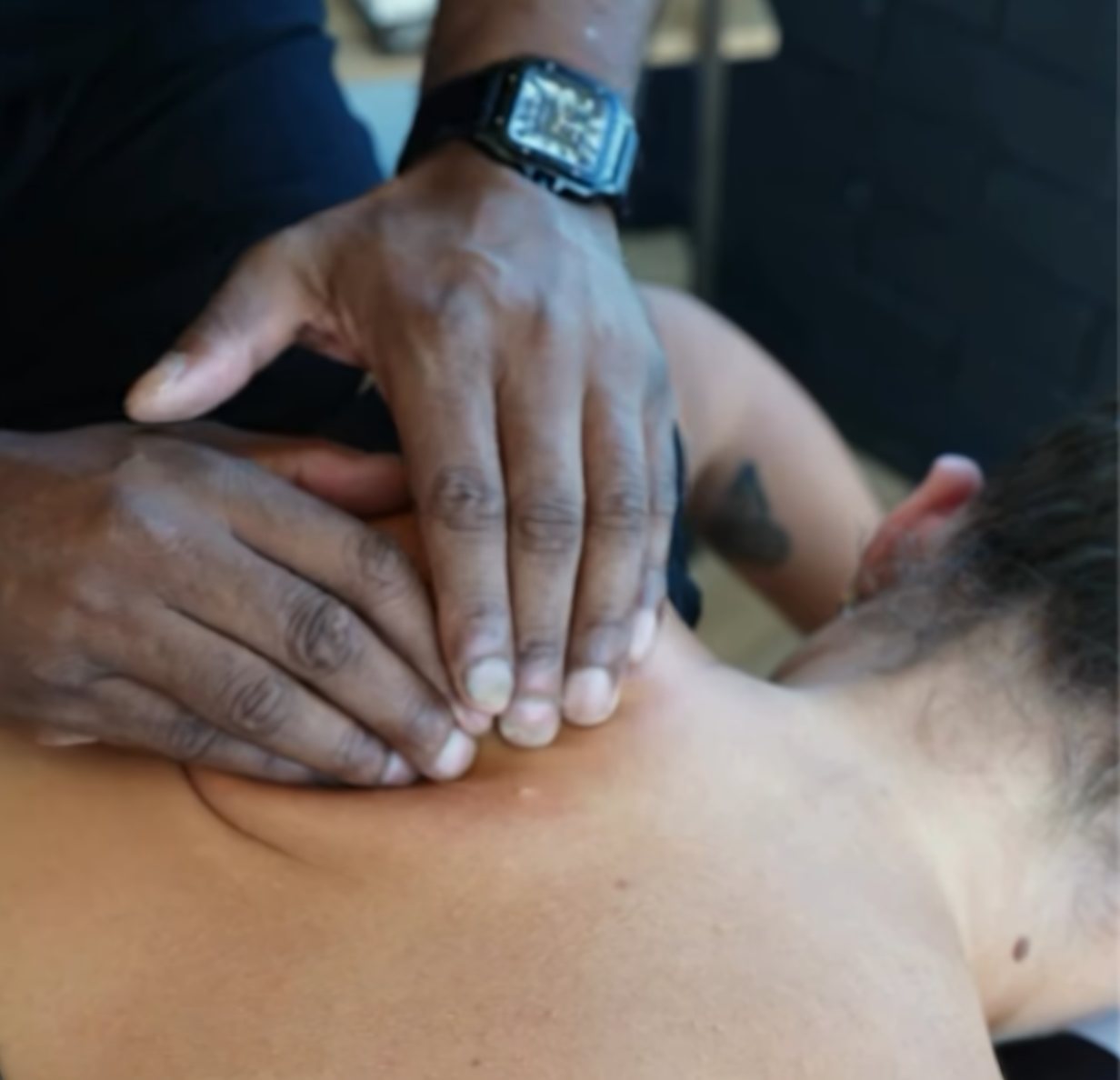
Deep tissue describes how the massage feels, not what it’s for. The therapist works slowly with firm, sustained pressure, often using thumbs, forearms or elbows, to get into the deeper layers of muscle and the connective tissue around it.
When people book “deep tissue”, they’re usually saying, “I like it firm.” In a remedial session, it’s one of the tools your therapist can use where it suits. As far as we’re aware, it isn’t a separate qualification in Australia, and what it means in practice can differ between clinics.
What is sports massage?
Sports massage is shaped around activity, and it’s not just for elite athletes. Think runners building up for City to Surf, netballers mid-season or gym regulars on a heavy block.
The techniques look a lot like remedial massage, but the timing and focus are different. A session before an event tends to be shorter and brisker. After a big week or a race, the focus is usually on recovery and the muscles that copped the most load. You may see claims that sports massage “flushes out lactic acid” or toxins. The research doesn’t really back that up, but many people do find it helps them feel less tight and recover more comfortably.
Which one do I need?
It’s easier to choose by your goal than by the name on the menu.
You’ve got a specific niggle. A neck that won’t turn properly, a tight spot between your shoulder blades, or a lower back that aches by Friday. Remedial massage is usually the better fit, because it starts by looking at that area. If the ache sits between your shoulder blades, our post on pain between the shoulder blades covers common causes.
You’re generally tight and you like firm pressure. Nothing’s really wrong, you just feel wound up and stiff. A massage with plenty of deep tissue work may suit. Just say you’d like it firm, and your therapist can still work with you on pressure.
You’re training for something, or recovering from it. A sports-focused session timed around your training or event makes sense. Let your therapist know your sport, your schedule and when your next big session or game is.
If you fit more than one of these, that’s normal. The label matters much less than a clear conversation at the start.
Does deep pressure have to hurt?
No. Firm pressure can feel intense, and some people describe it as a “good hurt”, but more pain doesn’t mean more benefit. If you’re holding your breath or tensing up against the pressure, your muscles are guarding, which works against you.
A rough guide is that it should feel strong but manageable, somewhere you can still breathe slowly and stay relaxed. Speak up any time you’d like it lighter or firmer. Your therapist would much rather know.
What to expect at a session
Expect a few questions first about your symptoms, health history and medications. Mention things like pregnancy, blood thinners, a history of blood clots, recent surgery or osteoporosis, because these can change which techniques and pressure are suitable.
Wear comfortable clothes you can move in. You can undress to your comfort level, and you’ll be draped with a towel so only the area being worked on is uncovered. If you’d rather stay in shorts and a singlet, that’s fine too. Your therapist will check in on pressure as they go.
Sore afterwards? What’s normal and when to tell your therapist
It’s common to feel a bit tender or tired for a day or two after firmer work, a bit like you’ve had a decent gym session. Gentle movement and a warm shower usually help it settle. If you’re also seeing a chiro, our post on soreness after an adjustment covers what’s normal there.
Let your therapist know if soreness lasts more than a couple of days, if you notice significant bruising, or if pressure on a particular spot felt sharp rather than strong. They can adjust things next time. If you notice new numbness, pins and needles or weakness, or calf pain with swelling, warmth or redness, see a GP promptly rather than waiting for your next massage.
When massage alone may not be enough
Massage works on soft tissue, and not every problem is a soft tissue problem. It may be worth seeing a chiropractor or physiotherapist, or your GP, if pain keeps coming back no matter how many massages you have, if it started with a fall or a specific injury, if it’s spreading down an arm or leg, or if it’s stopping you from working, sleeping or training.
A practitioner who assesses joints and movement may pick up something that needs a different approach, and massage can still sit alongside that care. Some people also ask about dry needling for stubborn tight spots, and our guide to what to expect with dry needling explains how it feels.
At Beyond Health, remedial massage is available at our Osborne Park clinic, alongside chiropractic care and our physio, Pádraig Hughes, who consults there two Mondays a month. We also have chiropractors at our Applecross clinic on Canning Hwy. If you’re not sure whether massage, chiro or physio is the better first step, come in for a free screening. It’s a short chat and a few simple movement checks to see whether chiro or physio may suit you. It isn’t treatment and there’s no obligation. You can book online, or call Applecross on (08) 6311 7646 or Osborne Park on 0435 668 595.
FAQs
Is remedial massage the same as deep tissue massage?
Not quite. Remedial massage is an assessment-led session aimed at a specific problem. Deep tissue is a firm, slow pressure style that can be used within a remedial massage. So a remedial session may include deep tissue work, but a deep tissue massage isn’t necessarily remedial.
Is sports massage only for athletes?
No. It suits anyone who’s regularly active, from weekend runners and gym-goers to people in physical jobs. It’s mainly about planning the session around your training, events and recovery.
Should I get a massage before or after a game or race?
Either can work. Before an event, a lighter, shorter session is usually wiser so your legs don’t feel heavy, and firmer work is generally better saved for a few days before or after. Don’t try firm work for the first time right before a big event.
Can I have a massage if I’m injured?
Sometimes, but it depends on the injury. For a recent injury with swelling or bruising, or one that hasn’t been checked, it’s wiser to have it assessed first by a chiropractor, physio or GP.
This article is general information only and isn’t a substitute for personalised advice. Everyone’s different, so please see a registered health professional about your own situation, and seek urgent medical care if you have severe or worrying symptoms.
Related guides: Neck pain · Back pain · Sports and gym injuries


No Comments